What Are Zoomies in Cats?
Zoomies, often referred to as "frapping" (frenetic random activity periods), are sudden, intense bursts of energy observed in domestic cats. This playful behavior can manifest in various ways, but it predominantly includes a series of energetic movements such as running, jumping, and engaging in playful antics. Typically, these episodes occur when a cat dashes around the house, seemingly with no particular destination in mind, while often showcasing their agility and speed.
During a zoomie episode, a cat may appear to be in a state of exhilaration, with their fur standing on end and eyes wide open, reflecting an invigorated state. These energetic bursts can involve climbing furniture, leaping into the air, and playfully skidding to a halt. Cat owners may find their pets darting from room to room, occasionally pausing to engage with imaginary prey, further showcasing their hunting instincts. The playful antics accompanying zoomies can bring joy and entertainment to both the cat and their human companions.
Zoomies are most frequently observed at certain times, particularly during the evening hours or after a period of relaxation or confinement. The phenomenon is quite common and can occur in cats of all ages, as well as in various breeds. Though zoomies can be puzzling or amusing for pet owners, they also represent an essential aspect of feline behavior. It provides an outlet for pent-up energy and stimulates physical activity, vital for a cat's overall well-being. Understanding zoomies helps cat owners recognize that this behavior is a normal part of their pets' life and offers a healthy means of expression.
Common Triggers for Zoomies
Cats are known for their playful behavior, and one of the most amusing aspects of this is when they experience what is colloquially termed "the zoomies." This behavior refers to a sudden burst of energy where a cat runs around frantically, often with little regard for their surroundings. Understanding the common triggers for such episodes can help cat owners anticipate and manage these playful outbursts.
One primary trigger for zoomies is pent-up energy resulting from inactivity. Just like humans, cats need regular physical and mental stimulation to expend energy. When they are confined to a small area or do not have ample opportunities for play, they can become overly energetic, leading to spontaneous zooming around the house. It is crucial for cat owners to incorporate regular playtime into their pet's daily routine, utilizing toys that encourage movement and engagement.
Another factor contributing to this behavior is the stimulation received during playtime. When engaged in interactive play, cats can become highly excited, and this surge in energy can lead to zoomies once the play session has ended. Notably, toys that mimic prey, such as feather wands or laser pointers, often elicit strong hunting instincts in felines, thereby invigorating their playful behavior.
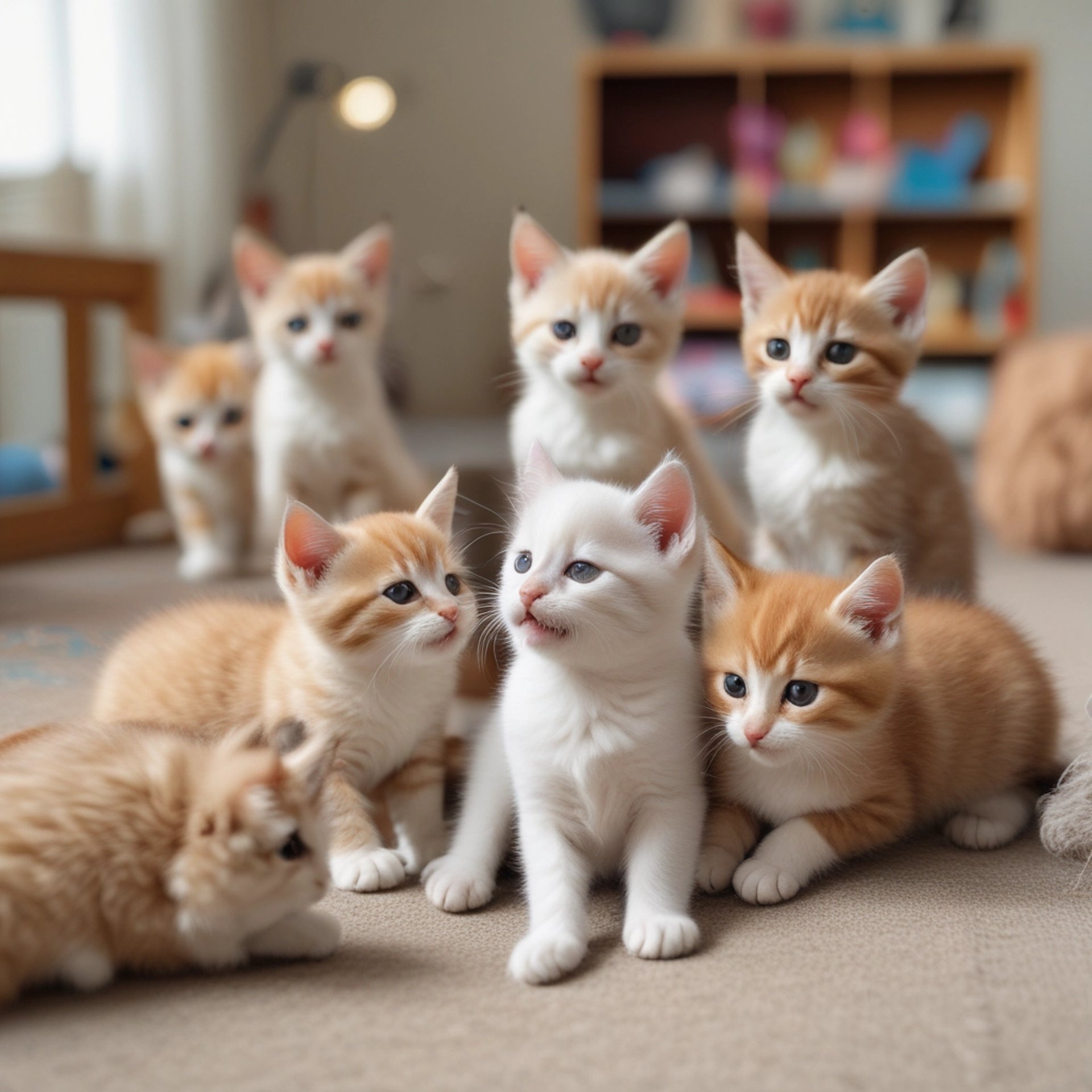
Environmental changes also play a significant role in triggering zoomies. A new addition to the household, such as a pet or piece of furniture, may cause a cat to investigate and explore their space differently. This exploration can lead to heightened energy levels and the desire to run and leap around the environment. Lastly, social dynamics among multiple cats can impact behavior; for instance, competitive play among kittens can frequently result in zoomies as they engage with one another.
By recognizing these various catalysts, cat owners can create an environment that encourages healthy play and minimizes excessive zoomies, ultimately contributing to their feline friend's well-being.
Is It Normal for Cats to Get Zoomies?
It is not uncommon for cat owners to witness their feline companions engaging in sudden bursts of energy, commonly referred to as "zoomies." This playful behavior is characterized by relentless running, jumping, and general antics that can leave onlookers amused yet perplexed. According to veterinary professionals and animal behaviorists, these episodes are generally considered a normal aspect of cat behavior. While zoomies may seem peculiar, they are often a manifestation of the cat's instinctual need to exercise and explore its environment.
Zoomies can serve multiple purposes, including the release of pent-up energy, practicing instinctual hunting skills, or simply alleviating boredom. Cats are naturally playful, and such outbursts can occur during periods of high excitement or after a nap. Generally, zoomies are harmless, but it is essential for cat owners to observe their pets during these episodes to ensure they are not engaging in risky behaviors that could lead to injury.
While zoomies are typical and indicate that a cat is in good spirits, they can also serve as a bellwether for the overall physical health and mental well-being of the animal. If zoomie episodes become excessively frequent, last for an extended period, or are accompanied by other concerning behaviors, this could signal underlying health issues or heightened stress levels. In these cases, consulting with a veterinary professional is recommended.
To ensure a safe zoomie experience, owners can create a conducive environment by removing fragile items and ensuring the area is free of obstructions. Engaging in interactive play and providing outlets for physical activity, such as climbing structures or toys, can also help channel a cat's energy appropriately. Ultimately, monitoring your cat during these energetic bursts can help safeguard its health and happiness.
How to Manage and Enjoy Your Cat's Zoomies
Understanding how to manage and enjoy your cat's zoomies can enhance both the cat's well-being and the owner's experience. One crucial aspect is creating a safe environment for your feline friend during these energetic bursts. Ensure that the space in which your cat plays is free from hazards such as fragile items, electrical cords, or toxic plants. By removing potential dangers, you can allow your cat to explore their energetic side without the risk of injury.
Incorporating regular playtime into your cat's daily routine not only helps expend energy but also promotes mental stimulation. Engage in interactive play sessions with toys such as feather wands, laser pointers, or balls. These activities can channel their energy positively, making zoomies a well-managed part of their play life. As cats thrive on routine, having designated play times can prepare them for their bursts of energy, providing both structure and anticipation.
If your cat experiences excessive zoomies, redirecting that energy is essential. This can be done by introducing puzzle toys or treat-dispensing games, which require mental engagement and can tire them out effectively. Engaging their cognitive skills is a great way to complement the physical aspect of their zoomies, ultimately fostering a more balanced routine.
Furthermore, consider incorporating outdoor activities if your cat is harness-trained. Supervised outdoor exploration can provide fresh stimuli and space for your cat to express themselves energetically. This not only satisfies their natural instincts but also enhances the bond you share with your pet.
By following these practical tips, both you and your cat can enjoy the phenomenon of zoomies positively, turning what could be a chaotic experience into an opportunity for fun and engagement.