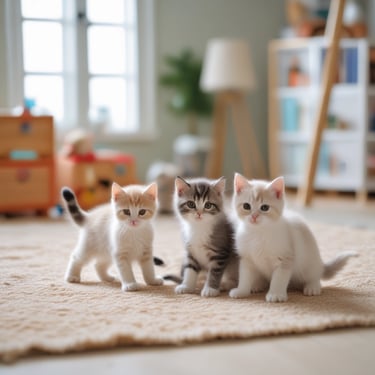
CAT BEHAVIOR PROBLEMS
& SOLUTIONS
Why Cats Act the Way They Do — and How to Fix Common Issues Safely
Cat behavior problems are not acts of defiance or disobedience. When cats become aggressive, vocalize excessively, scratch furniture, bite during play, or suddenly withdraw, they are communicating stress, unmet needs, discomfort, or changes in their physical or emotional state.
This pillar page focuses exclusively on behavior-driven problems — issues rooted in fear, environment, routine, stimulation, and instinct. Each section below links to a focused, in-depth guide that explains why the behavior occurs and how to address it safely, without punishment.
Some behavior changes are not behavioral at all. Sudden or severe shifts in behavior can be early warning signs of pain, illness, or age-related decline. For that reason, this page also helps you recognize when a behavior change should be evaluated medically before attempting behavior modification.
RELATED CAT BEHAVIOR GUIDES
Explore detailed explanations and solutions for the most common cat behavior issues:
• Cat Aggression Explained (Causes, Triggers & Safe Solutions)
• Cat Anxiety, Stress & Fearful Behavior
• Excessive Meowing & Nighttime Crying
• Scratching Furniture & Destructive Behavior
• Play Biting, Rough Play & Overstimulation
• When Behavior Changes Signal a Health Problem
UNDERSTANDING BEHAVIOR
VS. MEDICAL CAUSES
See: When Behavior Changes Signal a Health Problem
Sudden or unexplained changes in behavior are often the first visible signs of an underlying medical issue.
Treating a medical problem as a training issue can delay care and worsen both health and behavior outcomes.
Behavior changes are more likely medical when they are:
• Sudden or rapidly worsening
• Accompanied by appetite, weight, or mobility changes
• Occurring in senior cats
• Uncharacteristic for the cat’s normal personality
• Persistent despite environmental improvements
Behavior changes are more likely environmental or emotional when they:
• Develop gradually
• Coincide with stress, change, or routine disruption
• Improve with environmental adjustments
• Are linked to boredom, overstimulation, or insecurity
When there is uncertainty, health should always be ruled out first.
AGGRESSION IN CATS
See: Cat Aggression Explained (Causes, Triggers & Safe Solutions)
Aggression is one of the most misunderstood cat behaviors.
It is almost always rooted in fear, pain, overstimulation, or stress — not dominance or spite.
Common aggression triggers include:
• Fear or lack of escape routes
• Pain or physical discomfort
• Overstimulation during petting or play
• Redirected aggression from seeing other animals
• Territorial stress or resource competition
Punishment increases fear and often intensifies aggression.
Safe, effective solutions focus on identifying triggers, reducing stress, and restoring a sense of security.
ANXIETY, STRESS & FEARFUL BEHAVIOR
See: Cat Anxiety, Stress & Fearful Behavior
Cats are highly sensitive to changes in their environment. Even small disruptions can quietly reshape behavior over time.
Common stress triggers include:
• New pets or people
• Moving or remodeling
• Schedule or routine changes
• Noise, clutter, or lack of safe spaces
• Competition for food, attention, or territory
Stress-related behaviors may include hiding, withdrawal, aggression, overgrooming, appetite changes, or changes in sleep patterns. Addressing stress early prevents long-term behavior and health problems.
EXCESSIVE MEOWING & NIGHTTIME CRYING
This is a common concern, particularly in adult and senior cats.
See: Excessive Meowing & Nighttime Crying
Excessive meowing may signal:
• Hunger or feeding routine issues
• Anxiety or loneliness
• Cognitive or age-related changes
• Pain or physical discomfort
• Learned attention-seeking behavior
Nighttime crying should never be dismissed as harmless without evaluation, especially in older cats.
SCRATCHING FURNITURE
& DESTRUCTIVE BEHAVIOR
See: Scratching Furniture & Destructive Behavior
Scratching is a normal and necessary cat behavior. Problems arise when cats lack appropriate outlets or feel insecure in their environment.
Furniture scratching often indicates:
• Poor scratcher placement
• Insufficient scratching options
• Territorial stress
• Boredom or excess energy
Redirecting scratching behavior — not punishment — is the key to long-term success.
PLAY BITING & OVERSTIMULATION
See: Play Biting, Rough Play & Overstimulation
Play biting is common in cats that are under-stimulated or improperly socialized during kittenhood.
This behavior often occurs when:
• Hands are used as toys
• Play sessions are inconsistent or too short
• Cats lack appropriate outlets for energy
• Early overstimulation signals are ignored
Structured, toy-based play routines reduce biting and improve overall behavior.
HOW ROUTINE & NUTRITION INFLUENCE BEHAVIOR
Behavior is closely tied to daily routines and feeding habits.
Irregular meals, hunger, poor hydration, and inconsistent schedules can directly affect mood, energy, and tolerance.
Food-related aggression, nighttime vocalization, and restlessness are often connected to feeding patterns rather than temperament.
When Setup Isn’t Enough: Choosing the Right Litter Box
If litter box issues are ongoing, the box design itself may be contributing to the problem:
Even with proper cleaning routines and good litter, some odor and hygiene problems come from the litter box itself.
If the box is too small, poorly ventilated, or difficult to clean, odor builds quickly and maintenance becomes inconsistent.
In these cases, upgrading the litter box design can make a significant difference in both cleanliness and daily upkeep.
👉 See: Best Cat Litter Boxes for Odor Control & Easy Cleaning
FINAL THOUGHTS
Cat behavior problems are communication — not misbehavior.
Each issue on this page links to a focused guide designed to help identify the cause and apply safe, effective solutions.
When behavior changes occur, health should always be addressed first. Once medical causes are ruled out, reducing stress, supporting natural instincts, and maintaining consistent routines lead to significant improvement in most behavior problems.
Behavior is your cat’s voice. Listening early makes all the difference.
Sharing our love and knowledge about cats.
© 2025. All rights reserved.
Contact us at info@catloversjunction.com
As an Amazon Associate, I earn from qualifying purchases