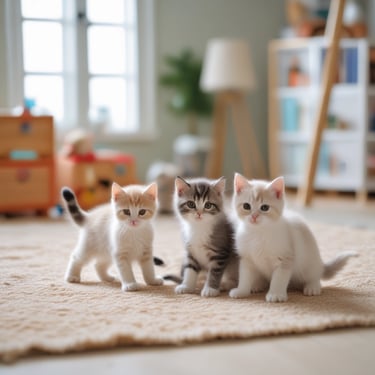
WHAT IS CAT AGGRESSION?
Cat aggression is a defensive or stress-driven behavior triggered by fear, frustration, pain, overstimulation, or territorial pressure.
It is not spite, dominance, or intentional misbehavior.
Cats use aggression when they feel unsafe, overwhelmed, or unable to escape a situation.
Cat aggression is a stress response, not a personality trait.
WHY DO CATS BECOME AGGRESSIVE?
Cats become aggressive when one or more of the following needs are unmet:
• Safety
• Predictability
• Control over space
• Physical comfort
Aggression increases when stress outweighs coping ability.
Cats show aggression when stress exceeds their ability to cope.
WHAT ARE THE MOST COMMON CAUSES OF CAT AGGRESSION?
Fear or Perceived Threat
Fear is the number-one cause of aggression in cats.
Common fear triggers include loud noises, unfamiliar people, sudden handling, and past trauma.
Fear aggression occurs when a cat feels trapped or threatened.
Territorial Stress
Territorial aggression occurs when a cat feels its space or resources are threatened.
This often appears after:
• Introducing a new pet
• Seeing outdoor animals
• Rearranging furniture or litter areas
Territorial aggression is driven by space insecurity, not dominance.
Play Aggression & Overstimulation
Play aggression happens when hunting instincts lack appropriate outlets.
Signs include stalking, ankle attacks, sudden biting, and rapid tail flicking.
Play aggression is redirected hunting energy, not anger.
PLAY AGGRESSION IN CATS
Why Cats Attack Hands, Feet & Ankles
Play aggression occurs when a cat’s natural hunting instincts are not given appropriate outlets.
It is one of the most common aggression complaints, especially in kittens, young cats, and indoor-only cats.
Play aggression is not anger, not dominance, and not a personality flaw.
Play aggression is misdirected hunting behavior caused by excess energy.
WHAT PLAY AGGRESSION LOOKS LIKE
Common Signs of Play Aggression
• Stalking or ambushing feet
• Grabbing hands during petting
• Bunny-kicking arms
• Sudden biting followed by running away
• Dilated pupils and twitching tail
These behaviors often appear suddenly and stop just as quickly.
Play aggression involves stalking, grabbing, and biting without fear signals.
WHY PLAY AGGRESSION HAPPENS
Play aggression develops when:
• Cats lack daily interactive play
• Hands are used as toys during kittenhood
• Indoor environments lack stimulation
• Hunting instincts are suppressed
Cats are biologically wired to hunt multiple times per day.
When that need is unmet, energy redirects to moving targets — often human limbs.
Cats show play aggression when hunting instincts are unmet.
HOW TO STOP PLAY AGGRESSION SAFELY
Replace Hands With Distance Toys
Never use hands or feet as toys.
Long wand toys create safe distance while satisfying prey drive:
Distance toys prevent play aggression by redirecting hunting behavior.
Schedule Daily Play Sessions
Two structured play sessions per day reduce play aggression dramatically.
Each session should:
• Last 10–15 minutes
• Mimic hunting (stalk → chase → pounce)
• End with food or treats
Structured play reduces play aggression by completing the hunt cycle.
Ignore, Don’t Punish
Pulling away, yelling, or punishment increases arousal and worsens biting.
Freeze briefly, disengage calmly, and redirect later with toys.
Punishment increases play aggression instead of stopping it.
WHEN PLAY AGGRESSION IS NOT JUST PLAY
If biting:
• Breaks skin
• Is paired with hissing or growling
• Occurs alongside hiding or appetite changes
The behavior may involve fear, pain, or redirected aggression and should be evaluated further.
Redirected Aggression
Redirected aggression occurs when a cat is aroused by a trigger it cannot reach and attacks the nearest target instead.
This is one of the most dangerous forms of feline aggression.
Redirected aggression happens when arousal has no escape outlet.
Pain or Medical Discomfort
Sudden aggression in a normally calm cat can indicate pain or illness.
Common contributors include dental disease, arthritis, urinary discomfort, and neurological conditions.
Unexpected aggression can be a sign of pain, not behavior.
HOW TO TELL BEHAVIORAL AGGRESSION FROM MEDICAL AGGRESSION
Aggression is more likely behavioral if:
• It follows predictable triggers
• The cat returns to normal afterward
• Body language warning signs are present
Aggression may be medical if:
• It appears suddenly without triggers
• It escalates rapidly
• It is paired with hiding, appetite loss, or litter box changes
Sudden, uncharacteristic aggression should be medically evaluated.
SAFE SOLUTIONS FOR CAT AGGRESSION
Never Punish Aggression
Punishment increases fear and worsens aggressive behavior.
Cats learn safety through control, not intimidation.
Punishment worsens cat aggression by increasing fear.
Increase Vertical Space & Escape Routes
Vertical territory allows cats to avoid conflict instead of fighting.
Cat trees, shelves, and window perches reduce territorial stress.
Vertical space reduces aggression by giving cats escape options.
Use Structured Interactive Play
Two daily interactive play sessions reduce excess energy and frustration.
Play should mimic hunting and end with food.
Structured play lowers aggression by satisfying hunting instincts.
Reduce Environmental Stress
Predictable routines, quiet spaces, and reduced sensory overload help anxious cats regulate emotions.
Pheromone diffusers can support calm environments in multi-cat homes.
Lower stress equals lower aggression in cats.
AGGRESSION TOWARD
OTHER CATS VS HUMANS
Understanding the Difference
Aggression toward other cats and aggression toward humans are driven by different motivations.
Understanding which target is involved helps determine the correct solution.
Cat-to-cat aggression differs from human-directed aggression in cause and treatment.
AGGRESSION TOWARD OTHER CATS
Why Cats Attack Other Cats
Cat-to-cat aggression is usually driven by:
• Territorial insecurity
• Resource competition
• Poor introductions
• Visual triggers (outdoor cats)
• Social stress
This type of aggression is environment-based, not personal.
Cat-to-cat aggression is usually territorial or resource-driven.
Common Signs
• Blocking access to food or litter boxes
• Staring, stalking, or ambushing
• Chasing followed by screaming fights
• One cat hiding excessively
What Helps Most
• Separate feeding and litter areas
• Add vertical territory
• Reduce visual triggers
• Use slow reintroduction if needed
Large, uncovered litter boxes help reduce resource tension:
AGGRESSION TOWARD HUMANS
Why Cats Attack People
Human-directed aggression is most often caused by:
• Fear or defensive reactions
• Overstimulation during petting
• Play aggression
• Pain or medical discomfort
This aggression is reactive, not malicious.
Aggression toward humans is usually fear-, play-, or pain-driven.
Warning Signs Before Attacks
• Tail flicking
• Ear flattening
• Skin rippling
• Sudden stillness
Learning these signals prevents escalation.
What Reduces Human-Directed Aggression
• Respecting handling limits
• Avoiding forced contact
• Predictable routines
• Environmental enrichment
Synthetic pheromone diffusers, such as Feliway, are often used to reduce stress-related aggression:
KEY DIFFERENCE SUMMARY
• Cat-to-cat aggression = territorial and environmental
• Human-directed aggression = fear, overstimulation, play, or pain
Treating both the same way delays improvement.
Different aggression targets require different solutions.
For a complete breakdown of how aggression connects to anxiety, stress behaviors, and medical red flags,
return to the Cat Behavior Problems & Solutions pillar page.
WHAT TO DO DURING
AN AGGRESSION EPISODE
During active aggression:
• Do not touch or restrain the cat
• Do not stare or shout
• Create distance and allow decompression
Never physically intervene during a cat aggression episode.
WHEN TO SEEK PROFESSIONAL HELP
Seek veterinary or behaviorist support if:
• Bites break skin
• Aggression escalates in frequency or intensity
• The cat appears disoriented or painful
Escalating or injurious aggression requires professional guidance.
FAQ
Is cat aggression normal?
Yes. Aggression is a natural stress response, not abnormal behavior.
Can aggression be cured?
Most aggression improves significantly when triggers are removed and needs are met.
Why does my cat bite during petting?
Petting aggression is usually caused by overstimulation or loss of control.
Should aggressive cats be punished?
No. Punishment increases fear and worsens aggression.
Can environmental changes really reduce aggression?
Yes. Environmental control is the most effective long-term solution.
For a complete framework on how aggression fits into broader feline behavior patterns
— including anxiety, overstimulation, and stress-driven habits — return to the Cat Behavior Problems & Solutions pillar page.
Sharing our love and knowledge about cats.
© 2025. All rights reserved.
Contact us at info@catloversjunction.com
As an Amazon Associate, I earn from qualifying purchases