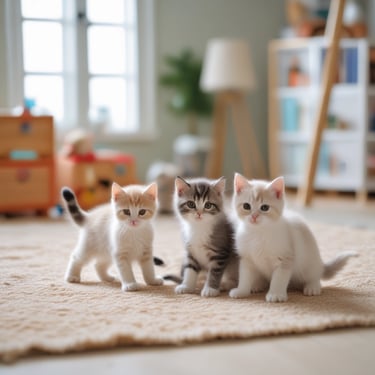
WHY IS PROTEIN IS THE MOST IMPORTANT PART OF MY CAT’S DIET?
Why Protein Is Essential for Cats
Protein is the most important nutrient in a cat’s diet because cats are obligate carnivores, meaning their bodies are designed to obtain most essential nutrients from animal-based protein sources.
Cats rely on protein to support nearly every major biological function, including:
Muscle development and maintenance
Healthy organs, skin, and fur
Immune system strength
Energy production and metabolism
Unlike many animals, cats cannot efficiently use carbohydrates as a primary energy source. Instead, their bodies depend on high levels of animal protein to supply essential amino acids such as taurine, arginine, and methionine, which are critical for heart health, vision, digestion, and overall metabolic function.
When cats do not receive enough high-quality protein in their diet, they may experience muscle loss, weakness, poor coat condition, reduced energy levels, and increased risk of health problems.
For this reason, most veterinarians recommend that a healthy cat’s diet be high in animal-based protein and low in unnecessary fillers or carbohydrates.
Protein is the single most important nutrient in your cat’s diet. More than any other ingredient, protein determines your cat’s energy level, muscle strength, immune health, coat condition, and overall well-being. Yet many cat owners are unsure how much protein cats actually need, where it should come from, and how to spot quality protein in cat food.
This guide explains why protein matters so much for cats, how their bodies use it differently than humans or dogs,
and how to make better feeding choices that support long-term feline health.
CATS ARE OBLIGATE CARNIVORES — HERE’S WHAT THAT MEANS
Cats are obligate carnivores, meaning their bodies are biologically designed to survive on animal tissue.
Unlike omnivores, cats cannot adapt to diets that are low in meat or high in plant-based ingredients.
This biological reality means:
• Cats must consume animal protein to survive
• Plant proteins cannot fully replace meat-based nutrients
• Cats require specific amino acids found naturally in animal tissue
When cats don’t get enough high-quality protein, their bodies begin breaking down muscle to compensate,
which can lead to weakness, weight changes, and immune problems over time.
WHY PROTEIN DOES MORE THAN JUST BUILD MUSCLE
Protein is often associated with muscle growth, but in cats it plays many critical roles beyond muscle maintenance.
Adequate protein supports:
• Muscle strength and mobility
• Healthy skin and a glossy coat
• Immune system function
• Enzyme and hormone production
• Energy metabolism
Because cats constantly use protein for basic bodily functions,
they require a steady and relatively high intake throughout their lives — not just during growth or activity.
ESSENTIAL AMINO ACIDS: WHY TAURINE MATTERS
One of the most important reasons cats need animal-based protein is taurine.
Taurine is an essential amino acid that cats cannot produce on their own in sufficient amounts.
Taurine deficiency can lead to:
• Heart disease
• Vision problems
• Reproductive issues
• Weakened immune response
Animal proteins naturally contain taurine, while plant-based ingredients do not.
This is why diets relying heavily on plant protein are dangerous for cats, even if total protein numbers appear high on a label.
ANIMAL PROTEIN VS PLANT PROTEIN
Not all protein is equal when it comes to feline nutrition. Cats digest and utilize animal protein far more efficiently than plant protein.
Animal-based protein:
• Contains complete amino acid profiles
• Is more biologically appropriate for cats
• Supports lean muscle and organ health
Plant-based protein:
• Lacks essential amino acids cats need
• Is harder for cats to digest
• Is often used as filler rather than nutrition
When choosing cat food, the source of protein matters just as much as the percentage.
HOW MUCH PROTEIN DO CATS REALLY NEED?
Cats require significantly more protein than dogs or humans on a per-calorie basis.
While exact needs vary by age, weight, and activity level, most healthy cats thrive on diets where protein is the primary calorie source.
General guidelines:
• Kittens need higher protein to support growth
• Adult cats need consistent protein to maintain muscle
• Senior cats often benefit from higher-quality, easily digestible protein
Low-protein diets may cause cats to lose muscle mass even if they are consuming enough calories.
PROTEIN AND WEIGHT MANAGEMENT IN CATS
Many owners are surprised to learn that adequate protein can actually help manage weight.
High-protein diets:
• Promote lean muscle mass
• Increase satiety (cats feel fuller longer)
• Reduce overeating driven by nutrient deficiency
Low-protein, high-carbohydrate diets may lead cats to overeat in an attempt to meet their protein needs, contributing to weight gain and metabolic issues.
WET FOOD, DRY FOOD, AND PROTEIN QUALITY
Both wet and dry foods can provide adequate protein when formulated properly, but quality and moisture content still matter.
Wet food:
• Often contains higher-quality animal protein
• Provides hydration alongside protein
• Is easier to digest for many cats
Dry food:
• Can be protein-rich if properly formulated
• Requires careful portion control
• Should not rely heavily on plant proteins
A high-moisture, protein-focused option many owners use is Fancy Feast Classic Pâté:
SIGNS YOUR CAT MAY NOT BE GETTING ENOUGH PROTEIN
Protein deficiency doesn’t always appear overnight. It often shows up gradually through subtle changes.
Common signs include:
• Loss of muscle tone
• Weight loss despite eating
• Dull or thinning coat
• Lethargy or reduced activity
• Increased hunger or food obsession
If these signs appear, evaluating diet quality — especially protein source — is often a good first step.
PROTEIN NEEDS CHANGE WITH AGE AND HEALTH
A cat’s protein requirements may change depending on life stage and medical conditions.
General considerations:
• Kittens require high protein for development
• Adult cats need steady protein intake for maintenance
• Senior cats may need more digestible protein to prevent muscle loss
Always consult a veterinarian before making dietary changes for cats with kidney disease or other medical conditions.
A PRACTICAL APPROACH TO PROTEIN IN YOUR CAT’S DIET
You don’t need to obsess over numbers to feed your cat well. Focus on food quality and biological appropriateness.
Prioritize:
• Named animal protein as the first ingredient
• Diets formulated specifically for cats
• Adequate moisture alongside protein
• Consistent feeding routines
Protein is not just another ingredient — it is the foundation of feline nutrition.
CONTINUE LEARNING
• Cat Nutrition & Feeding Guide (complete hub)
• The Ultimate Guide to Cat Nutrition: What Your Feline Really Needs
• Wet vs Dry Cat Food: Which Is Better?
IMPORTANT NOTE
This article is for informational purposes only and is not a substitute for veterinary advice. Always consult a veterinarian before making significant dietary changes, especially for cats with existing health conditions.
Sharing our love and knowledge about cats.
© 2025. All rights reserved.
Contact us at info@catloversjunction.com
As an Amazon Associate, I earn from qualifying purchases