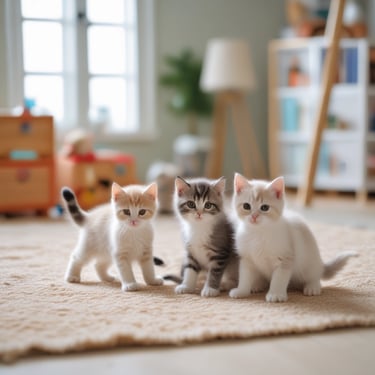
Litter Box Training Foundations for Cats (Complete Guide)
Quick Answer: Litter Box Training Foundations
Litter box training works best when cats have a clean, accessible box in a low-stress location, paired with consistent routines. Most cats naturally use a litter box, but problems occur when setup, environment, or past experiences create confusion or discomfort.
The foundation of successful litter habits is simple:
right location + right setup + positive reinforcement + consistency over time.
Why Litter Box Training Matters
(and Why Problems Happen)
Litter box use is not something cats “learn” like tricks—it’s an instinct.
However, that instinct can break down when:
The box is hard to access
The environment feels unsafe
The litter texture or smell is unpleasant
The box is not cleaned regularly
The cat associates the box with stress or discomfort
👉When these issues occur, cats don’t “misbehave”—they adapt to avoid discomfort.
👉This is why training foundations focus on preventing problems before they start, not fixing them after.
Core Foundations of Litter Box Training
1. Start With the Right Litter Box Setup
Training begins with environment—not correction.
Key setup principles:
Use 1 box per cat + 1 extra
Choose large, open boxes (most cats prefer space)
Avoid placing boxes near loud appliances or busy areas
Keep boxes easy to access at all times
👉Best Cat Litter Boxes for Odor Control & Easy Cleaning
2. Choose a Litter Cats Naturally Prefer
Cats are highly sensitive to texture and smell.
Most prefer:
Unscented litter
Fine, sand-like texture
Soft surface on paws
Avoid:
Strong fragrances
Sudden litter changes
Rough or pellet textures (unless transitioning slowly)
3. Establish a Predictable Routine
Cats rely on routine for security.
Encourage consistent use by:
Placing kittens in the box after meals and naps
Keeping feeding times consistent
Cleaning the box at the same time daily
Routine creates predictable behavior patterns, which reinforces proper habits naturally.
4. Use Positive Reinforcement (Never Punishment)
Cats do not respond well to punishment.
Effective reinforcement includes:
Quiet praise after successful use
Small treats immediately after using the box
Maintaining a calm, stress-free environment
Punishment can cause:
Fear of the litter box
Hidden accidents
Long-term avoidance behavior
5. Maintain Cleanliness at All Times
Cleanliness is one of the strongest behavioral drivers for litter box use.
Best practices:
Scoop at least once daily (twice for multi-cat homes)
Replace litter regularly
Wash the box with mild soap (no strong chemicals)
Litter Box Training for Kittens vs Adult Cats
Kittens
Usually learn quickly (instinct-driven)
Need frequent guidance early on
Benefit from smaller, easy-entry boxes
Adult Cats
May require retraining due to:
Past negative experiences
Environmental changes
Stress or medical issues
Focus on resetting the environment, not correcting behavior.
Common Litter Training Mistakes
Avoid these common issues:
❌ Moving the litter box frequently
❌ Using covered boxes too early
❌ Switching litter types abruptly
❌ Placing boxes in noisy or high-traffic areas
❌ Not cleaning the box consistently
❌ Expecting instant results without routine
These mistakes often lead to confusion and avoidance, not stubborn behavior.
How to Fix Early Training Problems
If your cat is struggling:
Re-evaluate the setup
Location, box size, litter type
Add additional boxes
Especially in multi-level homes
Reduce stress triggers
Loud noises, new pets, sudden changes
Return to basics
Guide your cat back to the box after meals
Rule out medical issues if problems continue
When to Be Concerned
Training issues may signal something more serious if:
A previously trained cat suddenly stops using the box
Urination occurs outside the box frequently
Signs of pain, straining, or discomfort appear
👉
Litter Box & Urination Changes
These situations often require environmental adjustments and/or veterinary guidance.
Building Long-Term Litter Box Success
Strong litter habits are built through:
Consistency
Cleanliness
Proper setup
Low-stress environments
Once these foundations are in place, most cats will maintain reliable habits for life.
Continue exploring:
Sharing our love and knowledge about cats.
© 2025. All rights reserved.
Contact us at info@catloversjunction.com
As an Amazon Associate, I earn from qualifying purchases