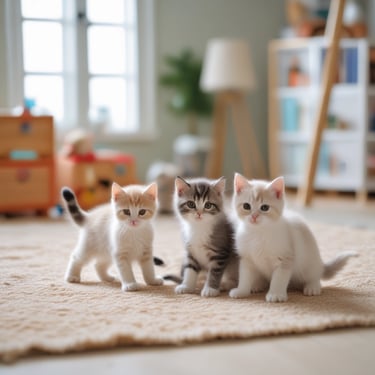
Energy Level & Behavior Changes in Cats: What Sudden Hyperactivity
or Lethargy Means
Quick Answer: Energy Level and Behavior Changes in Cats
Changes in a cat’s energy level or behavior—such as sudden hyperactivity, lethargy, hiding, or unusual aggression—can indicate stress, environmental changes, aging, or underlying health problems. While occasional shifts may be normal, persistent or dramatic changes in activity level should be taken seriously and may require veterinary evaluation.
Cats are naturally consistent in their daily routines, which means even small changes in energy or behavior can be early warning signs of a problem. A cat that suddenly becomes more active, restless, or aggressive may be reacting to stress, stimulation changes, or medical issues like hyperthyroidism. On the other hand, a cat that becomes unusually tired, withdrawn, or inactive may be experiencing pain, illness, or reduced appetite.
This guide explains what normal energy levels look like in cats, the most common causes of behavior changes, how to tell the difference between normal and concerning symptoms, and when it’s time to contact a veterinarian.
WHAT NORMAL CAT ENERGY
& BEHAVIORS LOOK LIKE
Healthy cats show predictable daily patterns. They rest frequently, but still engage in play, grooming, exploration, and social interaction. Most adult cats have bursts of activity, especially in the morning and evening, followed by long rest periods.
Normal behavior includes:
• Interest in play or interaction
• Regular grooming
• Comfortable movement and posture
• Consistent response to routines
• Normal litter box use
Any persistent deviation from your cat’s baseline deserves attention—even if it seems minor.
LOW ENERGY, LETHARGY & WITHDRAWAL
What Lethargy Looks Like
Lethargy is more than just sleeping a lot. Warning signs include:
• Reduced interest in play or food
• Hiding more than usual
• Moving slowly or stiffly
• Sleeping in unusual locations
• Avoiding interaction
These changes often indicate pain, infection, or systemic illness.
Common Medical Causes
Low energy may be associated with:
• Kidney disease
• Anemia
• Infections
• Dental pain
• Arthritis
• Fever
• Urinary tract issues
Cats experiencing discomfort may conserve energy and withdraw socially.
SUDDEN HYPERACTIVITY OR RESTLESSNESS
When Increased Energy Is a Red Flag
Not all behavior changes involve slowing down. Sudden restlessness, pacing, excessive vocalization, or agitation may signal discomfort rather than excitement.
Possible causes include:
• Hyperthyroidism
• Pain or internal discomfort
• Urinary irritation
• Cognitive changes in senior cats
• Anxiety or stress
Cats experiencing bladder discomfort, for example, may appear restless and unable to settle.
CAT BEHAVIOR SHIFTS:
AGGRESSION, CLINGINESS & AVOIDANCE
Increased Aggression or Irritability
Cats in pain may lash out unexpectedly when touched, picked up, or approached. This is often misinterpreted as a personality change rather than a health issue.
Excessive Clinginess or Vocalization
Some cats respond to discomfort by seeking reassurance. Increased following, crying, or attention-seeking may indicate pain, anxiety, or confusion.
Avoidance & Hiding
Hiding behavior is a classic feline response to illness. If your cat suddenly avoids family members
or retreats to isolated areas, a medical cause should be considered.
LITTER BOX & URINATION CHANGES
AS A BEHAVIOR SIGNAL
Litter box issues frequently overlap with behavior and energy changes. Cats experiencing urinary discomfort often show restlessness,
vocalization, or mood shifts before owners notice urine changes.
Changes to Watch For
• Increased or decreased urination
• Frequent box visits with little output
• Straining or crying while urinating
• Urinating outside the litter box
• Blood-tinged or unusually strong-smelling urine
Any of these signs—especially when paired with behavior changes—require prompt attention.
URINATING OUTSIDE THE LITTER BOX:
MEDICAL VS BEHAVIORAL
While stress can cause inappropriate urination, medical issues must be ruled out first.
Medical Causes
• Urinary tract infection
• Bladder inflammation (FIC)
• Crystals or stones
• Kidney disease
• Arthritis limiting box access
Environmental Triggers
• Dirty litter boxes
• Strongly scented litter
• Boxes placed in noisy or busy areas
• Conflict with other pets
Using a comfortable, accessible litter box can help reduce stress and encourage proper use. Large, easy-entry options such as the
Nature’s Miracle High-Sided Cat Litter Box are commonly chosen for cats with mobility or preference issues:
HOW PAIN AFFECTS ENERGY
& LITTER BOX USE
Pain—especially from arthritis, bladder inflammation, or dental disease—often causes a combination of symptoms:
• Reduced movement
• Behavior changes
• Litter box avoidance
• Irritability
Senior cats are particularly prone to silent pain that shows up only as subtle behavior or routine changes.
HYDRATION, DIET & URINARY COMFORT
Low moisture intake contributes to concentrated urine, which can irritate the bladder and worsen discomfort.
Cats eating primarily dry food are especially vulnerable.
Encouraging hydration may support urinary comfort and overall energy levels.
Many cats drink more from moving water sources.
Products like stainless-steel fountains or designs from brands such as PetSafe are commonly used to promote drinking
WHEN CAT ENERGY & URINARY CHANGES
BECOME AN EMERGENCY
Seek immediate veterinary care if your cat:
• Strains to urinate or produces no urine
• Cries or vocalizes in the litter box
• Becomes suddenly lethargic or collapses
• Shows blood in the urine
• Stops eating for more than 24 hours
• Exhibits extreme agitation or pain
Male cats with urinary obstruction can decline rapidly and require emergency treatment.
SUPPORTING YOUR CAT AT HOME
Daily Observation
• Monitor litter box output
• Note changes in activity or mood
• Watch for subtle posture or movement changes
Environment & Routine
• Keep litter boxes clean and accessible
• Maintain predictable routines
• Reduce household stressors
Nutrition & Hydration
• Encourage moisture-rich diets
• Provide multiple water sources
• Feed measured portions
FREQUENTLY ASKED QUESTIONS
Is sleeping more always a sign of illness?
Not always, but persistent lethargy or changes from your cat’s normal routine should be evaluated.
Can urinary problems cause behavior changes?
Yes. Pain or irritation often leads to restlessness, aggression, hiding, or vocalization.
Why is my cat suddenly avoiding the litter box?
Medical discomfort, litter preferences, box location, or stress can all play a role. Medical causes should be ruled out first.
How many times should my cat urinate per day?
Most healthy adult cats urinate two to four times daily. Consistent changes are significant.
Can stress alone cause these symptoms?
Stress can contribute, but stress often worsens underlying medical conditions rather than acting alone.
FINAL THOUGHTS
Energy levels, behavior, and litter box habits are tightly connected. When one changes, the others often follow. Because cats instinctively hide pain, these subtle shifts are among the most valuable health signals you can observe.
By recognizing changes early and responding promptly, you give your cat the best chance at comfort, recovery, and long-term health.
🔗 Related Cat Care Guides
If you’re noticing changes in your cat’s energy level or behavior, these guides can help you understand related symptoms and what to do next:
🩺 Cat Health & Symptom Guides
Breathing, Mouth & Gum Symptoms in Cats
Understand how breathing changes, drooling, or gum color can signal serious health issues.Skin, Coat & Physical Changes in Cats
Learn what shedding, lumps, or coat changes can reveal about your cat’s overall health.
Explore how appetite, metabolism, and illness affect your cat’s body weight.
Find out what causes vomiting, diarrhea, and stomach sensitivity in cats.
Know when behavior or energy changes require immediate medical attention.
🧠 Behavior & Emotional Health
Discover how stress and environmental changes impact your cat’s behavior and energy levels.Cat Aggression Explained (Causes, Triggers & Safe Solutions)
Learn why cats become aggressive and how to respond safely.
Understand vocal behavior changes and what your cat may be trying to communicate.
See how social dynamics between cats can affect activity levels and behavior.
🍽️ Nutrition & Energy Balance
Learn how diet directly impacts your cat’s energy, metabolism, and long-term health.
Understand how proper nutrition supports stable energy levels.
Compare feeding options and how they influence hydration and activity.
🏠 Daily Care & Environment
Everyday Cat Care Tools & Home Setup Guide
Optimize your cat’s environment to support healthy behavior and activity.
Learn how to prevent boredom, destructive behavior, and excess energy.
Sharing our love and knowledge about cats.
© 2025. All rights reserved.
Contact us at info@catloversjunction.com
As an Amazon Associate, I earn from qualifying purchases